
reflective tinted glass
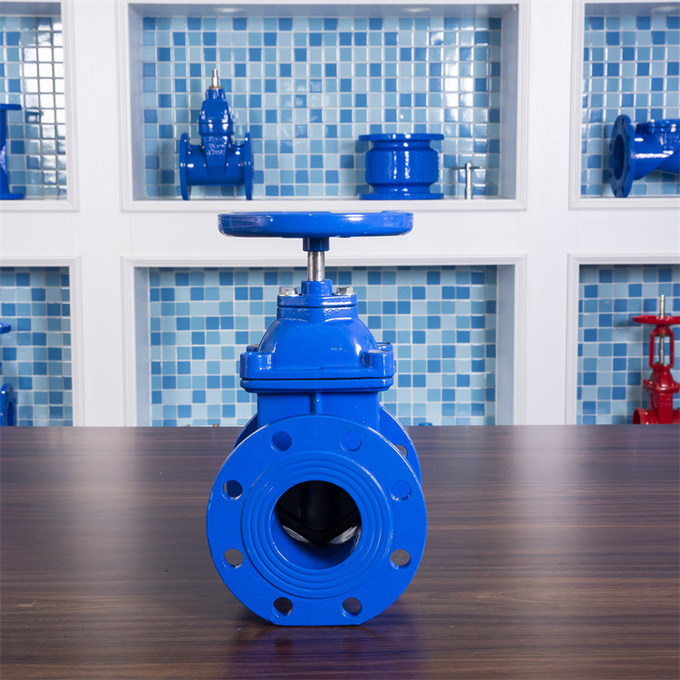
Understanding the Gate Valve A Focus on the 1 1/4 Inch Size Gate valves are a crucial component in a variety of piping systems, providing an effective means to start or stop the flow of liquids or gases. Among the various sizes available, the 1 1/4 inch gate valve occupies a significant position due to its versatility and efficiency. In this article, we will delve into the characteristics, applications, and advantages of the 1 1/4 inch gate valve. What is a Gate Valve? A gate valve is a type of valve that opens by lifting a rectangular or round gate out of the path of the fluid. The main function of a gate valve is to allow for either full flow or no flow when fully opened or closed, respectively. Unlike other valves, such as globe valves, gate valves are designed primarily for on/off control, meaning they are less effective in regulating flow. Characteristics of the 1 1/4 Inch Gate Valve The 1 1/4 inch gate valve is a popular choice for many industrial and residential applications. Its size strikes a balance between being compact enough for smaller pipelines while still providing adequate flow capacity. Typically, these valves are made from durable materials such as brass, stainless steel, or cast iron, which enhance their resilience and performance over time. One key characteristic of the 1 1/4 inch gate valve is the variety of connections available. Common connection types include threaded ends, flange ends, and welded ends. This flexibility allows for integration into various systems and piping configurations, facilitating ease of installation and adaptability. Applications gate valve 1 1 4 inch The 1 1/4 inch gate valve is utilized across a broad spectrum of applications. In residential settings, these valves often control water supplies in plumbing systems, allowing homeowners to easily manage water flow to different areas of their homes. In industrial settings, they are commonly used in water treatment plants, chemical processing, and HVAC systems due to their ability to handle high pressures and maintain flow efficiency. These valves are also found in fire protection systems, where their reliability is paramount. Gate valves are used to isolate segments of the piping system, ensuring that maintenance can be conducted without interrupting the water supply to other areas. Advantages The 1 1/4 inch gate valve comes with several advantages. Firstly, its design ensures minimal pressure drop when fully opened, allowing for maximum flow rates. This characteristic is particularly beneficial in applications where efficiency is critical. Secondly, the gate valve's ability to provide a tight seal when closed prevents leakage, making it an ideal choice for applications requiring complete shut-off. This feature enhances safety and functionality in various settings. Another benefit is the durability of materials used in constructing the 1 1/4 inch gate valve. With proper maintenance and suitable materials, these valves can have a long lifespan, reducing the frequency of replacements and lowering long-term costs. Conclusion In conclusion, the 1 1/4 inch gate valve serves as an indispensable component in many plumbing and industrial applications. Its reliability, efficient flow control, and versatility make it a preferred choice for professionals across various sectors. Understanding the specifications and benefits of the gate valve can help in making informed decisions in system design and maintenance. As industries continue to evolve, the importance of effective flow management will only increase, ensuring that gate valves remain a vital element in our infrastructure.
about
reflective tinted glass
Understanding Snap-on Gauges Precision Measurement in Engineering In the world of engineering and manufacturing, precision is not just preferable; it is essential. The smallest discrepancy in measurement can result in significant variances during production, affecting the quality and performance of the final product. This is where snap-on gauges come into play. Renowned for their reliability and accuracy, snap-on gauges are an integral part of the quality control process across various industries. What are Snap-on Gauges? A snap-on gauge, often referred to as a snap gauge, is a type of measuring device used to determine whether a particular object meets certain dimensional specifications. These gauges are designed to 'snap' onto the workpiece, providing a rapid and straightforward way to measure external dimensions. Unlike calipers or micrometers that require manual reading, snap-on gauges allow for quicker, often one-handed measurements, thus streamlining the inspection process. Types of Snap-on Gauges There are generally two types of snap-on gauges fixed and adjustable. Fixed snap gauges are typically set at a specific dimension, making them ideal for production lines where parts are manufactured to standard specifications. On the other hand, adjustable snap gauges allow engineers to modify the gauge to measure different dimensions, providing flexibility for various applications. Construction and Material Snap-on gauges are usually made from high-quality steel, which ensures durability and resistance to wear and tear. The precision cutting and finishing processes involved in their production help maintain their accuracy over time. Many modern snap-on gauges also feature coatings, such as chrome plating, to reduce friction and enhance lifespan. Applications of Snap-on Gauges snap on gauge Snap-on gauges have a variety of applications across multiple industries. In automotive manufacturing, they are used to check the dimensions of engine parts, chassis components, and other critical elements. In aerospace, snap gauges ensure that parts meet strict regulations regarding tolerance and dimensions, thus promoting safety and reliability. Moreover, snap-on gauges are also commonly used in the production of electronics, machinery, and medical devices. Any field that demands high precision can benefit from the use of these gauges. Their ability to provide a quick yes/no answer on whether a part meets specifications makes them particularly valuable in high-volume production settings. Benefits of Snap-on Gauges The primary benefit of using snap-on gauges is the significant reduction in time spent on inspection processes. They allow for quick verification of parts, which is especially important in environments where time is money. Additionally, snap gauges help in minimizing human error, as they provide a clear indication of whether a part fits the required dimensions. Another advantage is that snap-on gauges are easy to use, requiring minimal training for operators. This accessibility ensures that manufacturers can maintain high standards of quality control without necessitating extensive technical knowledge. Maintenance and Calibration To ensure continued accuracy, snap-on gauges require regular maintenance and calibration. Operators should routinely check for any wear or damage, as well as perform calibration against certified standards. Proper care will not only extend the life of the gauge but also maintain measurement accuracy, which is critical for product quality. Conclusion In summary, snap-on gauges are invaluable tools in engineering and manufacturing fields that prioritize precision and efficiency. Their ease of use, rapid measurement capabilities, and versatility make them essential for quality control processes in a wide range of applications. By investing in high-quality snap-on gauges and adhering to maintenance and calibration standards, manufacturers can uphold the integrity of their production processes, ultimately leading to higher quality products and customer satisfaction. As technology continues to evolve, snap-on gauges will remain a staple in the quest for accuracy in measurement, paving the way for advancements in engineering and manufacturing standards.
-

High quality industrial productsagement

High quality industrial products
View Details -

Meet the diverse needs of customers

Meet the diverse needs of customers
View Details -

Strict quality control

Strict quality control
View Details -

Top raw materials

Top raw materials
View Details -

Trusted supplier

Trusted supplier
View Details
Our application
news and information
Water Hose Shutoff Valve for Efficient Flow Control and Leak Prevention
Water Hose Shut Off Valve A Necessary Tool for Efficient Water Management Water is one of the most p
Water Pressure Regulation Valve for Efficient Flow Control in Hydraulic Systems
Understanding Water Pressure Control Valves Water pressure control valves are essential components i
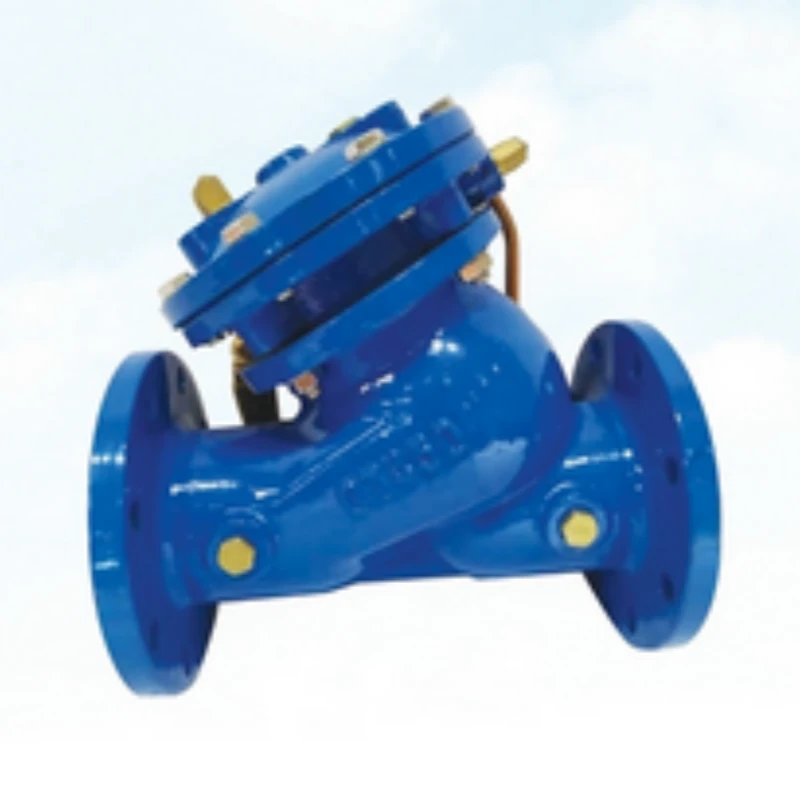
y shaped strainer
The Y-shaped strainer, a relatively lesser-known but essential component in various industries, play
 English